 Kibernan

Working Notes On Hard Problems
Short pieces on the technology problems the force is actually carrying, and where new capability could move them.
![['A logistical analyst or clerk', 'A digital inventory management system (computer monitor)', 'Physical record-keeping systems (binders and handwritten ledgers)', 'Military ordnance (an artillery shell)']. The analyst is performing a manual cross-reference between physical.](/assets/img/articles/one-division-turns-every-munitions-capacity-claim-into-a-testable-1440.jpg)
![['A team of four technicians or engineers', 'Computer-based data acquisition systems', 'Large-scale mechanical hardware (visible in background)']. Collaborative technical analysis where one individual directs the group's attention to specific performance metrics. Aerospace.](/assets/img/articles/stop-counting-gnss-backups-and-start-measuring-the-handover-800.jpg)
Stop Counting GNSS Backups and Start Measuring the Handover
On September 3, 2026, an Airbus A330 flew significantly off its published approach to Roland Garros Airport on La Réunion. The jet descended toward 1,000 feet before an air traffic controller ordered the crew to climb immediately. The aircraft had lost GNSS en route. It flew a VOR approach instead.
Read![['Human Operator', 'Digital User Interface']. Active interaction and data verification. Gaming or Military Simulation.](/assets/img/articles/the-navy-ran-a-420-million-a-year-program-whose-only-deliverable-was-800.jpg)
The Navy Ran a $420 Million a Year Program Whose Only Deliverable Was Waiting
The Navy spent an estimated $4.2 billion over ten years supporting attack submarines that were delayed in maintenance or sitting idle while waiting for shipyard capacity. That figure comes from an August 27 Government Accountability Office report, as reported by WorkBoat. Averaged across the decade, it works out to $420 million a year, every year, for ten years.
Read![['A male technician or engineer', 'Automated monitoring systems (display screen and laptop)', 'Mechanical hardware (propellers)']. The human operator is physically present to oversee and react to the real-time status of an automated technical process.. Industrial Engineering and.](/assets/img/articles/the-zero-day-capacity-test-for-ge-s-11-75-billion-castings-deal-800.jpg)
The Zero-Day Capacity Test for GE's $11.75 Billion Castings Deal
If GE Aerospace's $11.75 billion purchase of Consolidated Precision Products closes, the cited public material does not establish any immediate increase in qualified casting output at closing. Tooling and furnace hours are planning assumptions, and so are yield and customer approvals; none of them should be treated as changed merely because ownership changes.
Read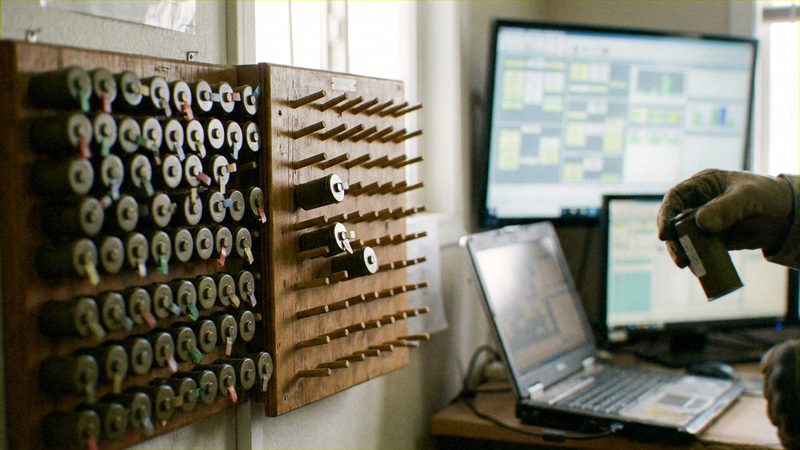
Before You Turn a 60% Interceptor Estimate Into a Production Target, Budget Its Uncertainty
Almost 2,800 Patriot and THAAD interceptors sat in the Pentagon's worldwide inventory when the war began, according to a study by the Center for Strategic and International Studies. U.S. forces used almost 60% of the national inventory of Patriot and THAAD interceptors. Defense Department officials refused to confirm, deny, or discuss those figures.
Read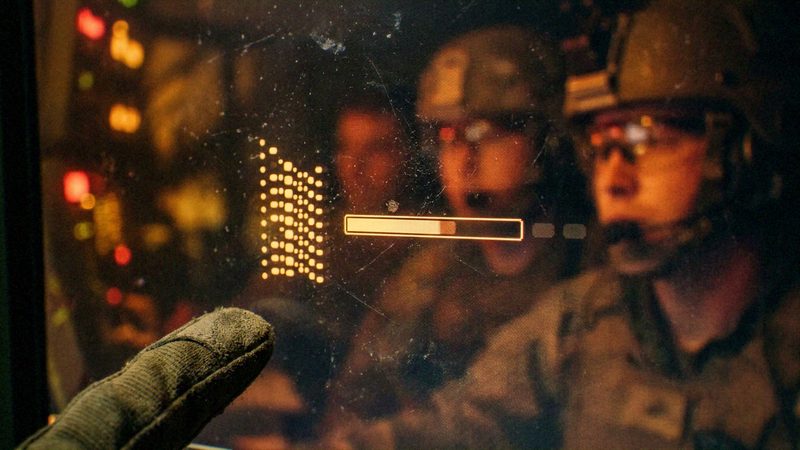
The $464.8 Million LOCUST Award Is a Queueing Test, Not an Energy Bill
Russia's September 2 overnight salvo comprised 163 aerial targets, roughly half of them jet-powered. The US Army awarded AeroVironment a $464.8 million contract to supply LOCUST laser weapons. The award marks the service's first production contract for a high-energy laser weapon system. Those facts belong in the same paragraph, because the contract will be judged against the salvo.
Read![['Executive Management (represented by the man in the suit)', 'Technical Operations/Engineering (represented by the woman in high-visibility workwear)', 'Digital Analytics and Monitoring Systems (the large interactive display)']. A collaborative technical briefing where.](/assets/img/articles/seven-years-of-signed-demand-will-buy-more-interceptors-than-another-800.jpg)
Seven Years of Signed Demand Will Buy More Interceptors Than Another Order to Move Faster
The Pentagon has called on the U.S. defense industry to accelerate weapons production to replenish its diminished munitions stockpile. The request costs nothing to make. The capacity it asks for costs real capital, takes years to stand up, and will not be financed on the strength of a press statement.
Read![['Inspector/Technician', 'Metallic Projectile/Component', 'Digital Inventory Database', 'Physical Identification Tags']. A technician is performing a physical verification of a sensitive object against a digital record to ensure accurate cataloging or chain-of-custody..](/assets/img/articles/why-the-first-shell-from-a-533-million-factory-still-has-no-unit-cost-800.jpg)
Why the First Shell From a $533 Million Factory Still Has No Unit Cost
Divide $533 million by one shell and the answer is $533 million per shell. Nobody writes that number down. Yet buyers accept its close cousin every time a ribbon gets cut: a completed factory treated as capacity, a first accepted article treated as a unit cost.
Read![['Manual technician/laborer', 'Ruggedized digital monitoring system', 'Physical aerospace component (fuselage or airframe)']. A technician is interacting with a digital interface to record data, verify completion, or monitor the assembly status of a physical hardware component..](/assets/img/articles/put-a-maturity-label-on-the-storm-shadow-license-before-you-count-800.jpg)
Put a Maturity Label on the Storm Shadow License Before You Count a Single Missile
The technical data package for a cruise missile weighs nothing on a factory floor. UK Prime Minister Andy Burnham cleared MBDA to release classified technical data to Ukraine covering the UK components used in Storm Shadow, in exchange for access to Avengers AI Labs. The decision allows Ukraine and France to set up missile production in Ukraine to support the Ukrainian Air Force.
Read